 By
By Ants may be small, but once they invade your home, they can quickly become a major nuisance. Kitchens, bathrooms, and outdoor areas are especially attractive to ants searching for food, water, and shelter. Without proper prevention, a few ants can turn into a full-scale infestation within days.
This comprehensive guide explains why ants enter homes, the most common ant species, and practical, proven strategies to ant-proof your home effectively—both naturally and professionally.
Why Ants Invade Homes
Ants enter homes for three main reasons:
1. Food Sources
Even tiny crumbs, spills, or uncovered food can attract ants. Once they find a reliable food source, they leave scent trails that guide the rest of the colony inside.
2. Water and Moisture
Leaky pipes, condensation, and damp areas provide ants with the moisture they need to survive—especially during warmer months.
3. Shelter and Nesting Areas
Cracks, wall voids, garden beds, and foundations offer ideal nesting locations close to food sources.
Common Types of Ants Found in Homes
Understanding the type of ant you’re dealing with helps in choosing the right prevention method:
- Black House Ants – Attracted to sugary foods
- Coastal Brown Ants – Common in kitchens and bathrooms
- Carpenter Ants – Can damage wooden structures
- Fire Ants – Aggressive and capable of painful stings
Different species require different treatment approaches.
How to Ant-Proof Your Home: Practical Prevention Tips
1. Keep Your Kitchen Spotless
- Wipe down benches daily
- Clean up spills immediately
- Store food in airtight containers
- Empty rubbish bins regularly
Ants can detect food from long distances, so cleanliness is your first defence.
2. Eliminate Moisture Problems
- Fix leaking taps and pipes
- Dry sinks and benchtops overnight
- Improve ventilation in bathrooms and laundry areas
Reducing moisture makes your home less attractive to ants.
3. Seal Entry Points
- Seal cracks around windows and doors
- Repair damaged flyscreens
- Use silicone sealant on gaps in walls and skirting boards
Even the smallest openings can allow ants inside.
4. Remove Outdoor Attractions
- Trim trees and shrubs away from your home
- Avoid storing firewood near walls
- Keep garden beds well maintained
Ant colonies often start outside and spread indoors.
5. Disrupt Ant Trails
- Clean ant trails using vinegar or soapy water
- Avoid spraying ants directly with insecticide, as this can cause colonies to split
Breaking scent trails prevents ants from guiding others into your home.
Natural Ant Control Remedies
If you prefer chemical-free solutions, try these:
- Vinegar: Destroys scent trails
- Baking Soda & Sugar: Affects ants’ digestive systems
- Diatomaceous Earth: Dehydrates ants naturally
- Essential Oils (peppermint, tea tree): Repel ants when mixed with water
These methods work best for minor infestations.
Why DIY Ant Control Often Fails
Many homeowners make the mistake of killing visible ants without addressing the nest. This can cause the colony to split and spread, making the infestation worse.
Common DIY issues include:
- Using the wrong product
- Treating only surface ants
- Not locating the nest
- Inconsistent application
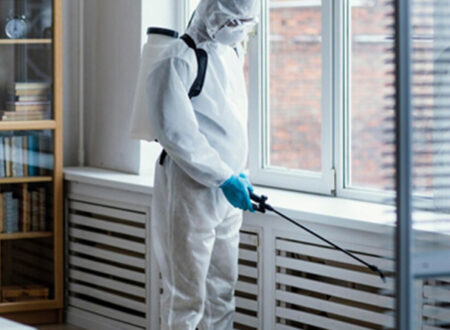
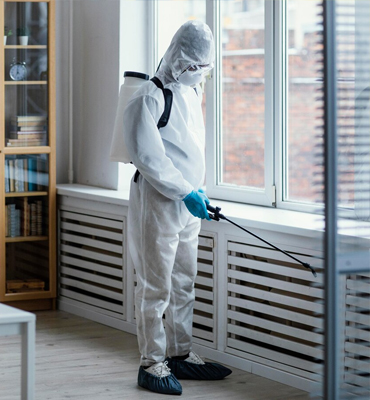
When to Call Professional Pest Control
You should consider professional help if:
- Ants keep returning despite treatment
- You see ants in multiple areas of your home
- You suspect carpenter or fire ants
- The infestation has spread outdoors and indoors
Professional pest control technicians:
- Identify ant species
- Locate nests
- Apply targeted treatments
- Provide long-term prevention strategies
Long-Term Ant Prevention Strategies
- Schedule regular pest inspections
- Maintain cleanliness year-round
- Monitor entry points seasonally
- Address infestations early
Consistent prevention is far more effective than reactive treatment.
Final Thoughts
Ant infestations are common but completely preventable. By maintaining cleanliness, sealing entry points, managing moisture, and addressing outdoor nesting areas, you can successfully ant-proof your home.
For persistent or large infestations, professional pest control ensures safe, effective, and long-lasting results—giving you peace of mind and a pest-free home.