 By
By Whether it’s ants in the kitchen, cockroaches in the bathroom, or termites silently damaging wood structures, pests are more than just a nuisance—they can be a serious threat to health, hygiene, and property. That’s where pest control services come in.
In this blog, we’ll explore the importance of pest control, common types of services offered, and what you can expect when you hire professionals.
🔍 Why Are Pest Control Services Important?
Pest infestations can pose a variety of risks, including:
- Health hazards: Pests like cockroaches, rodents, and mosquitoes can spread diseases.
- Property damage: Termites, rats, and borers can cause significant structural damage.
- Food contamination: Pests can contaminate food and food preparation areas.
- Allergic reactions: Many people are allergic to pest droppings, saliva, or bites.
Professional pest control helps eliminate these risks and prevents pests from returning.
🐞 Common Types of Pest Control Services
Pest control companies typically offer a range of treatments, including:
1. General Pest Control
Targets common household pests such as ants, spiders, cockroaches, and silverfish.
2. Termite Treatment and Inspection
Specialised services to detect and eliminate termite colonies and protect wooden structures.
3. Rodent Control
Traps and baiting systems to manage mice and rats, often combined with entry point sealing.
4. Insect Treatments
Covers mosquitoes, fleas, bed bugs, wasps, and other biting or stinging insects.
5. End of Lease Pest Control
Often required by landlords when pets have lived in the property.
🧪 Methods Used in Pest Control
Professionals use a combination of techniques depending on the pest type and severity:
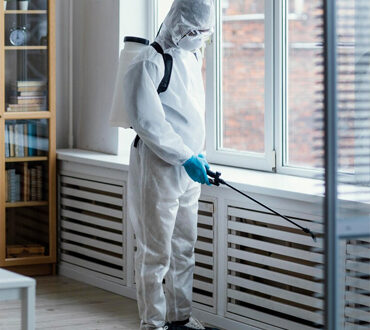
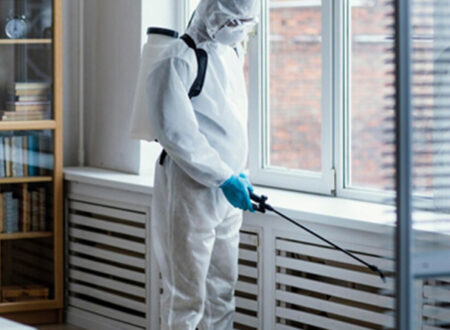
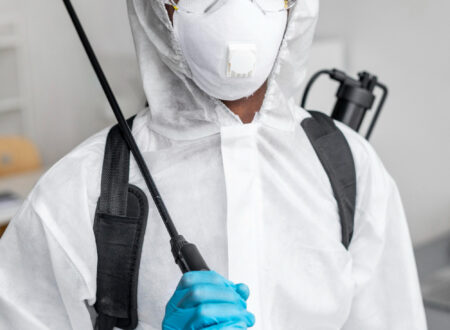
- Chemical sprays and gels
- Baiting systems and traps
- Dusting powders for hard-to-reach areas
- Fumigation (for severe infestations)
- Non-toxic and eco-friendly solutions (available on request)
Most services also include an inspection to identify pest activity and risk areas.
🕒 How Often Should Pest Control Be Done?
- Residential homes: Typically every 6–12 months
- Commercial properties: More frequent, depending on the industry (e.g., food businesses may require monthly treatments)
- High-risk areas: Properties near water, bushland, or older buildings may need regular inspections
🧾 What to Expect During a Pest Control Visit
- Inspection of the property for signs of infestation
- Identification of pest types and affected areas
- Application of treatment methods (indoors and/or outdoors)
- Advice on prevention and follow-up treatments if needed
- A report or receipt for documentation purposes
🛡️ Preventative Tips for Homeowners
Even after treatment, maintaining a pest-free environment involves:
- Sealing cracks and entry points
- Storing food in airtight containers
- Regularly removing garbage
- Keeping the home dry and well-ventilated
- Inspecting pet bedding and furniture
Final Thoughts
Pest control services are essential for maintaining a safe, clean, and healthy environment. Whether it’s a one-time treatment or ongoing prevention, addressing pest problems early can save time, money, and stress in the long run.
If you notice signs of pests in your home or workplace, it’s a good idea to consult with a professional pest control provider to assess the situation and recommend the best course of action.